Tensions that had been building for weeks finally erupted into open conflict late last night as the United States announced the start of a large-scale military operation following a series of escalating attacks in the region. The announcement was made during an emergency briefing from the U.S. Department of Defense, confirming that American forces had launched coordinated strikes against multiple strategic targets believed to be connected to hostile military activities.
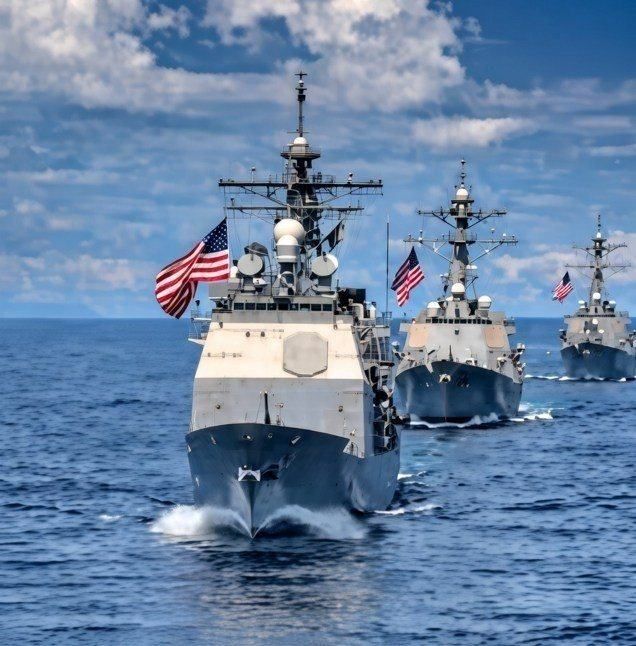
According to early reports, the operation began shortly after midnight local time when U.S. naval and air forces moved into position across several key locations. Warships stationed in the region, including vessels from the United States Navy, fired precision-guided missiles while long-range bombers conducted carefully planned airstrikes against infrastructure believed to support military operations.
Officials say the mission was designed to neutralize threats that had intensified over the past several days. Intelligence sources had warned of increasing missile deployments and aggressive naval maneuvers that raised fears of a broader regional conflict. Military planners reportedly prepared contingency strategies in advance, anticipating the possibility that diplomatic negotiations could fail.
During the press briefing, defense officials emphasized that the strikes were targeted and intended to reduce immediate threats to U.S. forces and allied partners. The Pentagon stated that the operation involved advanced surveillance systems, cyber coordination, and precision strike capabilities designed to minimize civilian casualties while disabling military assets.
The decision to launch the operation reportedly followed urgent consultations with several allied governments and security organizations. Representatives from the North Atlantic Treaty Organization were said to have been informed about the unfolding situation, although officials declined to say whether allied forces were directly involved in the initial phase of the operation.
Witnesses in several locations reported hearing loud explosions shortly after the strikes began. Videos circulating online appeared to show flashes in the night sky and the sound of distant blasts. While these videos have not been independently verified, analysts say they are consistent with the type of precision strikes used by modern military forces.
Military experts note that such operations typically involve multiple layers of coordination. Satellite imagery, electronic surveillance, and real-time intelligence would have been used to identify key targets. Once the targets were confirmed, aircraft and naval units would have executed synchronized attacks to overwhelm defensive systems and ensure mission success.
Meanwhile, global leaders have reacted swiftly to the developing crisis. Officials from the United Nations called for restraint and urged all parties to avoid further escalation. A spokesperson emphasized the importance of diplomacy and warned that continued military confrontation could destabilize an already fragile region.
Financial markets around the world responded almost immediately to the news. Oil prices surged as traders reacted to fears that the conflict could disrupt major shipping routes and energy supplies. Analysts say uncertainty surrounding military developments often leads to rapid swings in global markets, particularly when strategic waterways or energy infrastructure may be affected.
Security measures have also been heightened in several countries as governments assess the potential risks of retaliatory attacks or cyber disruptions. Airports, ports, and critical infrastructure facilities are reportedly operating under increased alert levels while intelligence agencies monitor possible threats.
Back in Washington, political leaders are preparing for what could become a prolonged crisis. Members of Congress from both parties have called for detailed briefings about the objectives and scope of the operation. Some lawmakers expressed support for the move, arguing that decisive action was necessary to protect national security, while others urged caution and emphasized the importance of pursuing diplomatic solutions.
Military analysts say the coming hours and days will be crucial. Much will depend on how opposing forces respond and whether the situation escalates into a broader regional war or remains limited to targeted engagements. In modern conflicts, initial strikes often serve as a strategic message, demonstrating military capability while attempting to deter further aggression.
Experts also point out that information during the early stages of conflict is often incomplete or rapidly evolving. Governments may release only limited details about operations while they are still underway, both to protect operational security and to avoid revealing sensitive intelligence methods.
For civilians living in areas close to potential conflict zones, uncertainty remains high. Humanitarian organizations have begun monitoring the situation closely, preparing contingency plans in case displacement or emergency aid becomes necessary. Aid groups warn that even short periods of intense military activity can quickly lead to shortages of food, medicine, and basic supplies.
Despite the dramatic developments, diplomatic channels have not been completely closed. Several international mediators are reportedly attempting to reestablish communication between opposing sides in hopes of preventing the conflict from spiraling further.
As the situation continues to unfold, governments, military leaders, and international organizations are watching closely. The world now waits to see whether this operation marks the beginning of a larger war or a limited strike aimed at preventing one.
For now, one thing is certain: the events of this night have dramatically changed the geopolitical landscape, and the consequences could be felt across the globe in the days and weeks ahead.