
Introduction
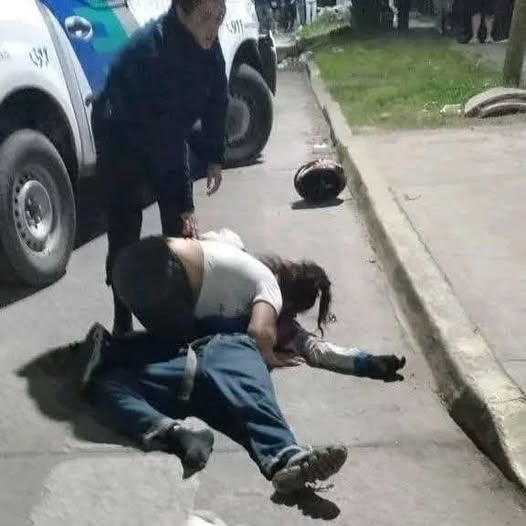
Only two minutes earlier, everything seemed normal. Then suddenly, the situation changed completely. A human life was hanging by a thread, and every second became important. Panic, fear, confusion, and urgency filled the air as someone desperately tried to save a person in critical condition. In moments like these, life reveals how fragile it truly is. No one is ever fully prepared to witness another human being struggling between life and death.
Medical emergencies are among the most emotional and intense experiences a person can face. Whether the victim is a stranger, a friend, or a family member, seeing someone unconscious, unable to breathe, or severely injured creates an atmosphere of terror and helplessness. Yet within these frightening moments, acts of courage, humanity, and determination often appear. Ordinary people become heroes, doing everything they can to keep another person alive until help arrives.
This article explores the emotional reality of critical medical emergencies, the importance of immediate action, the psychological impact on rescuers, and the incredible value of human compassion during life-threatening situations.
The Suddenness of Medical Emergencies
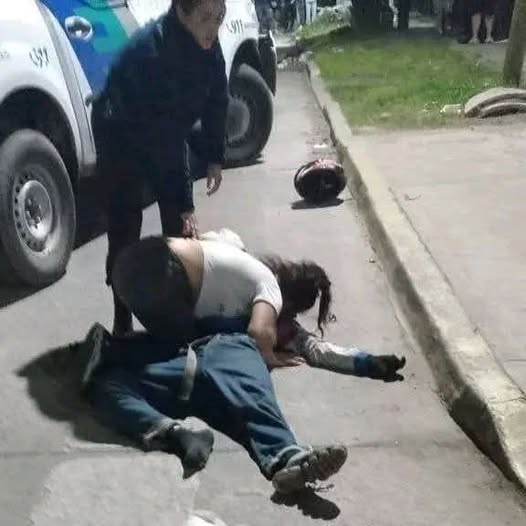
One of the most terrifying aspects of a medical emergency is how suddenly it can happen. A person may appear healthy and stable one moment, then collapse unexpectedly the next. Heart attacks, strokes, severe injuries, allergic reactions, drowning incidents, or breathing failures can occur without warning. In many situations, those nearby have only minutes—or even seconds—to respond.
The phrase “it just failed” can describe the human body in tragic ways. Sometimes the heart suddenly stops beating correctly. Sometimes the lungs cannot provide enough oxygen. Sometimes the brain loses critical function after trauma or lack of blood flow. The human body is incredibly strong, but also extremely vulnerable.
When someone enters critical condition, time becomes the enemy. Every minute without oxygen or medical intervention increases the risk of permanent damage or death. This is why emergency responders often describe their work as a race against time. Ambulances, paramedics, doctors, and nurses are trained to react quickly because hesitation can cost lives.