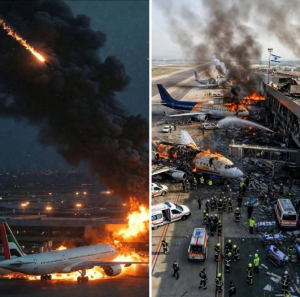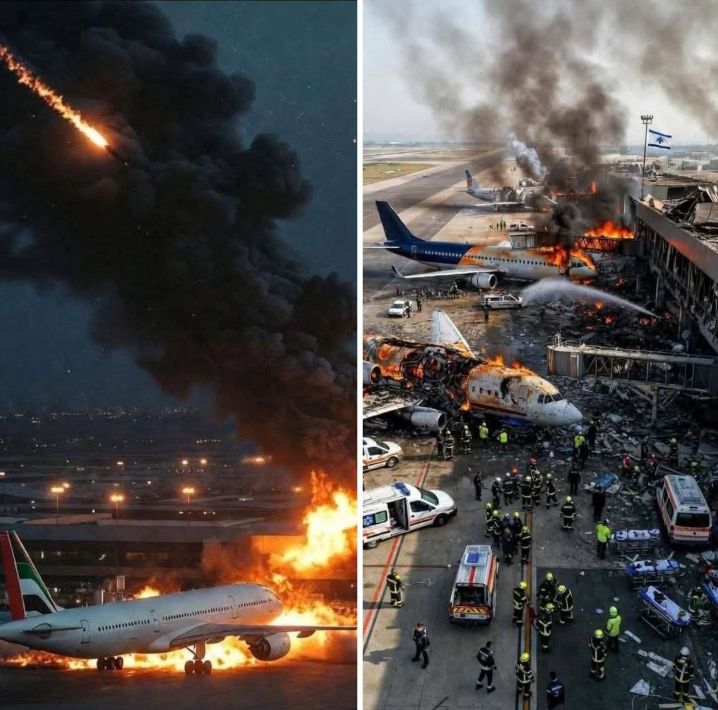
“BREAKING: just a few minutes ago Israel finishes…”—it’s the kind of urgent, incomplete headline designed to spark curiosity and emotion. But without verified details, it’s important to slow down and separate dramatic wording from confirmed reality.
When news is truly breaking—especially involving a country like Israel—information often comes out in fragments. Early reports can be incomplete, contradictory, or even misleading. That’s why responsible coverage focuses not just on speed, but on accuracy.
In situations involving Israel, the phrase “finishes” could refer to many different things. It might mean the conclusion of a military operation, the end of a targeted strike, a ceasefire agreement, or even the completion of a political or diplomatic process. Each of these carries very different implications, and without specifics, it’s impossible to know what actually happened.
The region itself is one of the most closely watched and complex in the world. Tensions between Israel and groups like Hamas or Hezbollah have led to repeated cycles of escalation and de-escalation over the years. Because of that, any “breaking” development immediately draws global attention.
If this headline is referring to a military action, there are usually several phases involved. Operations are planned, executed, and then assessed. Even when officials say something has “finished,” that doesn’t necessarily mean the situation is over. There can still be aftermath—responses, international reactions, and ongoing security concerns.
For example, in past conflicts, Israel has announced the completion of airstrike campaigns or ground operations, only for tensions to remain high afterward. Rockets, retaliations, or political fallout can continue long after the initial action ends. So the word “finishes” can be misleading—it may signal the end of one phase, not the entire situation.
Another possibility is that the headline refers to a diplomatic development. Israel is deeply involved in international relations, including negotiations with neighboring regions and global powers. If something has been “finished” in this context, it could mean the conclusion of talks, agreements, or strategic decisions. These kinds of developments tend to be less dramatic visually, but just as significant in the long term.
It’s also worth considering how social media shapes the way news is presented. Platforms often reward urgency and emotional impact over clarity. A phrase like “just a few minutes ago” creates a sense of immediacy, even if the underlying information isn’t fully verified. The “see more” style encourages clicks rather than understanding.
Because of that, it’s always a good idea to pause before reacting. Look for confirmation from multiple credible sources. Check whether official statements have been released. See if major news organizations are reporting the same details consistently. In high-stakes situations, misinformation can spread quickly, and initial reports are often corrected later.
If something major had truly just been completed—especially a large-scale military operation—it would likely be covered widely and in detail by international media. There would be statements from government officials, possibly from the Israeli leadership, and reactions from other countries and organizations.
Another key factor is the human impact. Events involving Israel and its neighboring regions often affect civilians on multiple sides. When headlines focus only on the action—what was “finished” or “destroyed”—they can overlook the broader consequences. Understanding the full picture means looking beyond the initial claim and considering what it means for people on the ground.
At the same time, it’s natural to feel concerned or curious when you see a headline like this. Global events can feel immediate and personal, especially in today’s connected world. But reacting based on incomplete information can lead to unnecessary anxiety or misunderstanding.
A more grounded approach is to treat such headlines as a starting point, not a conclusion. Ask questions: What exactly was finished? Who confirmed it? What are the sources? What context is missing? These questions help turn a vague, dramatic statement into something clearer and more reliable.
In many cases, these viral-style headlines turn out to exaggerate or oversimplify real events. They might refer to something relatively limited, presented in a way that makes it sound far more dramatic than it actually is. Other times, they may be based on speculation rather than confirmed facts.
That doesn’t mean nothing happened—it just means the wording doesn’t tell the full story.
If you want, you can share the full headline or more details, and I can help break down exactly what it refers to and what it actually means. Without that context, the safest and most accurate response is to avoid jumping to conclusions.
Because when it comes to breaking news—especially involving places like Israel—clarity matters more than speed.