

Women Dancers — The Art, Discipline, and Power Behind the Stage
Dance begins where words fall short. For women dancers, the body becomes both instrument and language—capable of expressing joy, grief, rebellion, and transformation without a single spoken line. Whether it’s the delicate extension of a ballet dancer’s arm or the grounded intensity of a contemporary performer, movement tells stories that resonate across cultures and generations.
From the precision of classical ballet to the improvisational freedom of modern dance, women have shaped the evolution of performance art. Figures like Misty Copeland redefined who gets to belong on elite stages, while pioneers such as Martha Graham built entirely new vocabularies of movement. Each step, turn, and gesture is not just choreography—it is identity in motion.
Dance is not merely aesthetic; it is deeply human. It reflects the dancer’s inner world, translating emotion into form with a power that audiences feel viscerally.



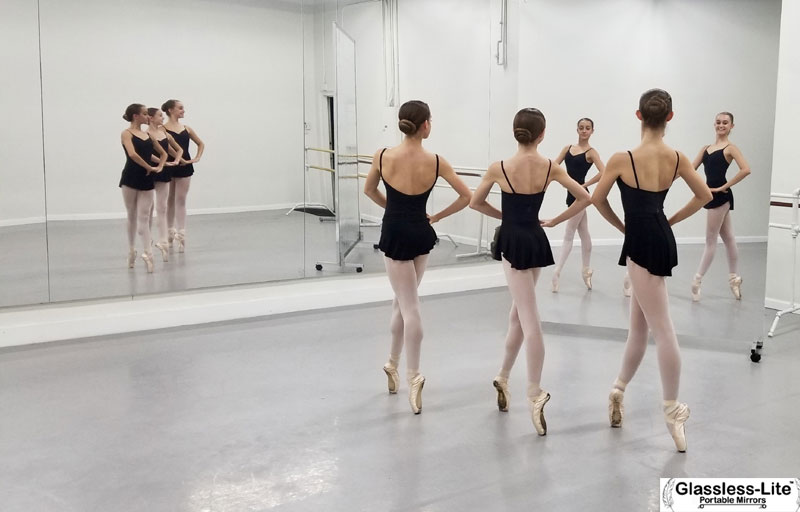


What audiences see on stage—the effortless spins, the weightless leaps—is the result of relentless discipline. Behind every performance lies years, often decades, of rigorous training. Dancers begin young, committing to daily practice that pushes their bodies to the limit.
The physical demands are immense. Strength, flexibility, endurance, and precision must coexist in perfect balance. Injuries are common, and recovery requires both patience and resilience. The image of beauty often hides the reality: sore muscles, taped ankles, and hours of repetition to perfect a single movement.
Yet discipline is not only physical. Mental strength is equally crucial. Dancers must maintain focus under pressure, adapt quickly to choreography changes, and perform flawlessly in front of live audiences. The ability to persist through rejection, competition, and self-doubt is what separates good dancers from extraordinary ones.
For many women, this discipline also involves navigating expectations—about body image, femininity, and perfection. Challenging these norms has become part of the modern dancer’s journey.
Power, Identity, and Expression


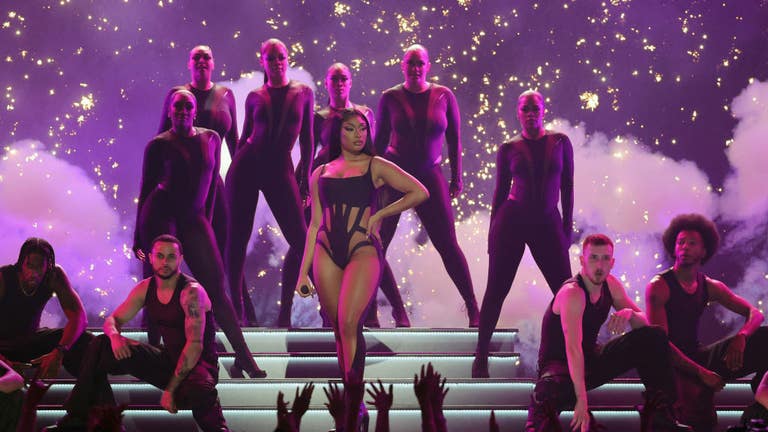
Dance is power. It allows women to reclaim their bodies, assert their identities, and challenge societal boundaries. Across cultures, dance has been a form of storytelling and resistance—a way to preserve heritage or confront injustice.
In styles like flamenco, every stomp and gesture carries centuries of history. In hip-hop, women dancers command space with confidence and strength, breaking stereotypes about femininity. Contemporary dance often explores deeply personal themes, from trauma to liberation, offering audiences an intimate glimpse into the human experience.
Icons such as Alvin Ailey, though not a woman, created platforms that amplified diverse voices, while countless female choreographers continue to reshape the narrative from within. Today, women are not just performers—they are creators, leaders, and innovators in the dance world.
Through movement, dancers speak truths that might otherwise remain unheard.
The Invisible Labor of Performance

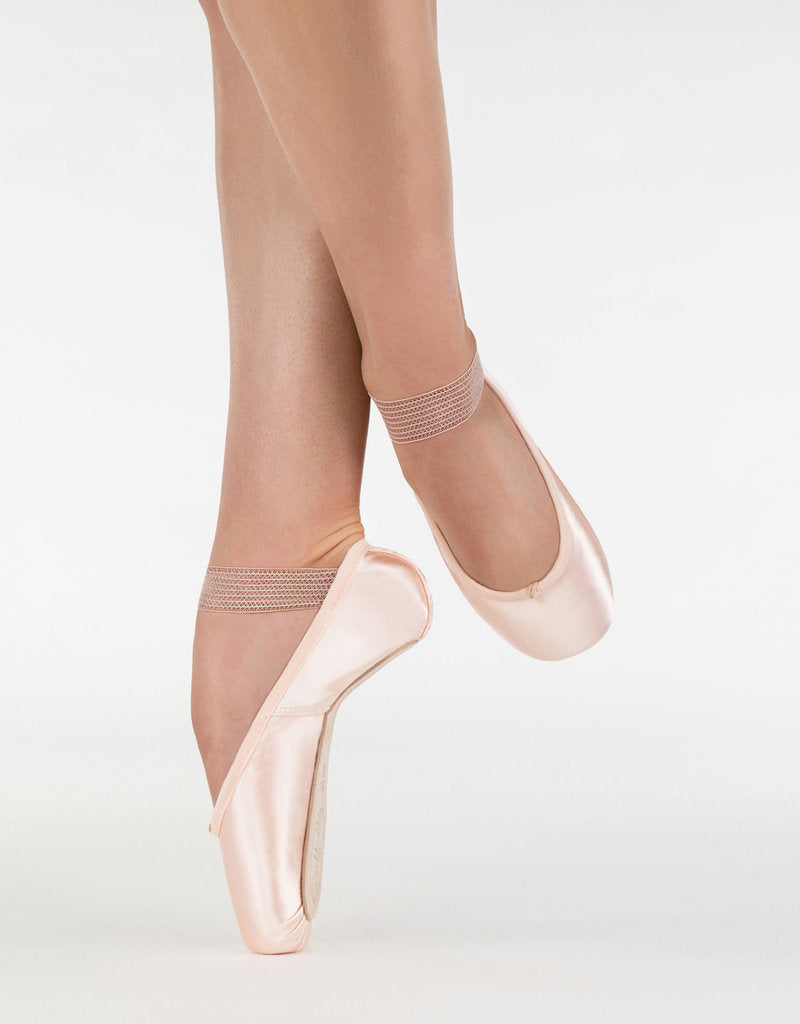

What happens behind the stage is rarely seen, yet it is essential to every performance. Hours before the curtain rises, dancers are already at work—warming up, rehearsing, adjusting costumes, and preparing mentally for the demands ahead.
Backstage is a world of controlled chaos. Quick costume changes, last-minute corrections, and the constant hum of anticipation define the environment. Every detail matters, from the fit of a shoe to the timing of an entrance.
For women dancers, this invisible labor often extends beyond performance. Many juggle teaching, choreography, or secondary jobs to sustain their careers. The reality of financial instability in the arts adds another layer of challenge to an already demanding profession.
And yet, when the lights come on, none of this struggle is visible. What the audience sees is pure artistry—a seamless illusion created through dedication and sacrifice.
Legacy and the Future of Women in Dance

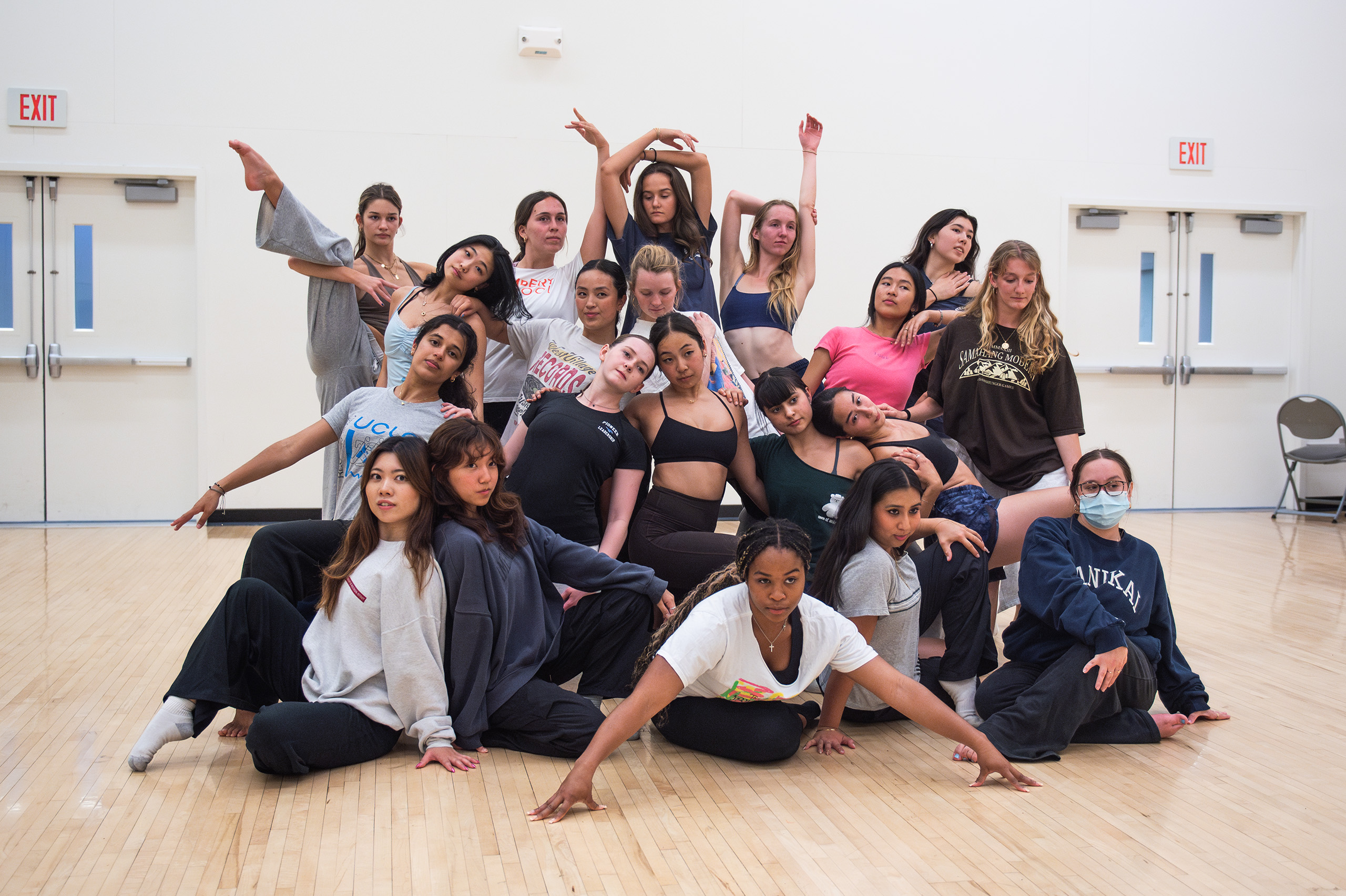
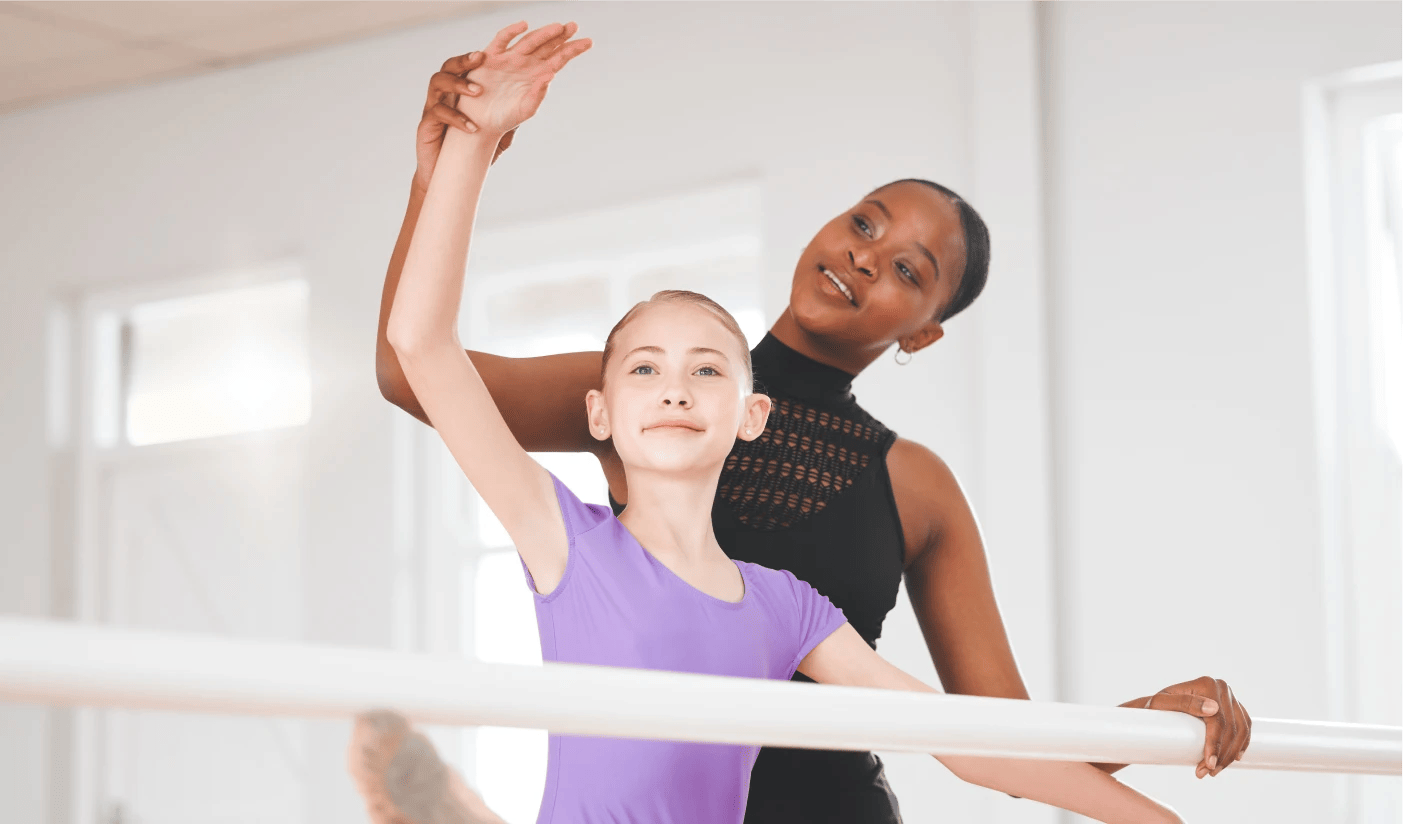
The legacy of women dancers is one of resilience, creativity, and transformation. Each generation builds upon the last, pushing boundaries and redefining what dance can be. Today, the dance world is more inclusive than ever, embracing diversity in body types, backgrounds, and styles.
Young dancers look to role models who prove that there is no single way to succeed. The rise of social media has also changed the landscape, allowing dancers to share their work globally and connect with audiences beyond traditional stages.
Education and mentorship play a crucial role in shaping the future. Experienced dancers pass on not only technique but also the values of discipline, expression, and authenticity. In doing so, they ensure that the art form continues to evolve while honoring its roots.
Conclusion: More Than Movement
Women dancers embody a unique blend of artistry and strength. They train relentlessly, perform passionately, and express truths that resonate far beyond the stage. Their work is not just about movement—it is about storytelling, identity, and the courage to be seen.
Behind every graceful performance lies a powerful narrative of dedication and resilience. And as the curtain falls, what remains is not just applause, but a lasting impression of what it means to move with purpose, passion, and power.