

is a theme that instantly grabs attention because it captures something the internet absolutely loves: absurdity, unexpected humor, and images that don’t fully make sense—but still make you laugh out loud. In a world where so much content is curated, filtered, and carefully staged, these strange and chaotic pictures feel refreshing. They are raw, spontaneous, and full of personality.
But what does it actually mean when a picture “goes hard”? In internet slang, this phrase is used to describe something that hits strongly—something unforgettable, bold, or emotionally striking. When paired with bizarre and funny visuals, it creates a perfect mix of confusion, humor, and impact. These images don’t just make you smile; they stick with you.



Many of these pictures are captured completely by accident. Imagine a dog sitting in a way that looks like it’s questioning its life choices while wearing sunglasses, or a cat posed so perfectly like a human that it feels like it’s about to start a deep conversation. Then there are people taking selfies in the most random or inappropriate situations. These are moments you can’t plan, and that’s exactly what makes them so special.
One key element behind these images is contrast. Often, they place two completely unrelated things together in a way that feels surreal. For example, a serious historical statue with googly eyes stuck on it, or a street sign that has an absurd message written on it for no apparent reason. This unexpected combination creates an instant comedic effect.
Another reason why these pictures are so popular is their universality. It doesn’t matter where you’re from or what language you speak—absurd humor translates everywhere. A man walking down the street with a television on his head is funny in any culture. There’s no need for explanation; the image speaks for itself.
What makes these pictures even more interesting is how people react to them. Usually, the first response is confusion: “What is going on here?” And right after that comes laughter. That moment of not understanding is actually part of the humor. Your brain tries to make sense of what it’s seeing, and when it fails, it responds with amusement.
In many cases, these images go viral because people feel the need to share them. It’s that feeling of, “You have to see this.” A single bizarre photo can spread across social media platforms, gaining thousands of shares, comments, and reactions. Over time, it might even evolve into memes or inspire new variations and edits.
There’s also a special category of photos that look completely fake but are actually real. These are some of the most powerful ones. For example, a building that appears to be constructed in an impossible way, or a reflection that creates a strange optical illusion. When you realize that the image hasn’t been edited, the impact becomes even stronger.
Timing plays a huge role as well. Some of the funniest and most bizarre images are captured at the exact perfect moment. A bird flying at just the right angle might look like it has a human body. A wave crashing in a certain way might resemble a creature. These moments show how reality itself can sometimes be more creative than imagination.
Of course, not all of these pictures are accidental. Some people intentionally create absurd scenes to entertain others. Someone showing up to a formal event dressed in a banana costume is a classic example. These acts are a form of creativity and self-expression. They require confidence and a willingness to stand out.
On the other hand, there are also “happy accidents”—moments that happen naturally and are captured without planning. Someone slipping at just the wrong time, an object falling in a strange way, or a perfectly timed facial expression can turn into comedy gold. These moments feel genuine, and that authenticity makes them even funnier.
Another interesting aspect is how these images reflect internet culture. Many of them carry a certain style or tone that has become popular online. Even if a picture isn’t extremely funny on its own, placing it in the right context—like adding a caption or turning it into a meme—can make it hilarious.
Ultimately, these “50 bizarrely funny pictures that go hard” are more than just random images. They represent a way of seeing the world—through humor, absurdity, and a sense of playfulness. They remind us that not everything needs to make perfect sense to be enjoyable.
In a world that can often feel serious and overwhelming, these pictures offer a simple escape. They remind us that it’s okay to laugh at things that are weird, random, or completely illogical. In fact, that’s where their magic lies.
In a world that can often feel serious and overwhelming, these pictures offer a simple escape. They remind us that it’s okay to laugh at things that are weird, random, or completely illogical. In fact, that’s where their magic lies.
They don’t demand deep thought or careful interpretation. There’s no hidden meaning you’re expected to uncover, no message you’re required to take away. Instead, they exist in a space where confusion and humor overlap—where the brain pauses for a second, tries to make sense of what it’s seeing, and then simply gives up… and laughs.
That moment—when logic breaks down and amusement takes over—is what makes these images so powerful. They interrupt the constant flow of seriousness that often fills our days. Between responsibilities, deadlines, and endless streams of information, it’s easy to forget how refreshing it can be to just stop and smile at something completely pointless.
Some of these pictures feel like visual puzzles that were never meant to be solved. A perspective that doesn’t quite line up. An object placed in a situation where it clearly doesn’t belong. A perfectly timed photo that creates an illusion so strange it almost feels edited—even when it’s not. Your mind tries to organize it, to bring order to the chaos, but the longer you look, the less sense it makes.
And somehow, that’s the point.
Because not everything has to make sense to have value.
In fact, these kinds of images highlight something important about the way we think. We’re naturally wired to look for patterns, to connect dots, to create meaning out of randomness. So when we’re faced with something that resists all of that—something that refuses to be categorized or explained—it creates a kind of mental hiccup. A brief glitch in our normal way of processing the world.
And that glitch often turns into laughter.
There’s also something deeply human about sharing these moments with others. You see a strange image, and your first instinct is often to send it to a friend, to say, “Look at this—I don’t even know what’s going on.” It becomes less about the image itself and more about the shared reaction. The confusion. The amusement. The connection.
In a way, these pictures create tiny moments of unity.
No matter where someone is or what they’re dealing with, the reaction is often the same: a raised eyebrow, a slight pause, and then a smile or a laugh. It’s simple, but it’s real.
And in a digital world filled with carefully curated content, where so much is designed to look perfect, polished, or meaningful, there’s something refreshing about images that are the exact opposite. They’re imperfect. Unplanned. Sometimes completely accidental.
They don’t try to impress you.
They just exist—and somehow, that’s enough.
These visuals also remind us not to take everything so seriously. Not every moment needs to be productive. Not every piece of content needs to teach us something or change our perspective. Sometimes, it’s okay for something to just be… funny.
To just exist for the sake of a quick reaction.
A brief distraction.
A small break in the day.
And maybe that’s why they stick with us longer than we expect. Not because they’re important, but because they arrive at the right moment—when we need something light, something effortless, something that doesn’t ask anything from us except a few seconds of attention.
So the next time you come across a picture that makes absolutely no sense, don’t try too hard to figure it out.
Just let it be what it is.
A random, confusing, slightly absurd moment that exists for no reason other than to make your day a little bit easier—and a little bit brighter.
Beauty is often seen as a fleeting characteristic, something tied to appearances and the superficial. But there is a deeper, more profound beauty that transcends the physical, something that is embodied by the notion of the “beautiful girl.” The beautiful girl is not just someone who catches your eye with her physical attributes, but someone whose inner qualities—her kindness, strength, intellect, and authenticity—create an everlasting impression.


Appearance style is an integral part of one’s image. It carries a vast amount of information about a woman. Through style, one can infer a woman’s personality, preferences, emotions, intelligence, social status, and, of course, age. Style is the collective concept of the image a woman has chosen for herself. It represents the harmonious unity of outward appearance and inner content.


The beautiful girl understands that beauty comes in all shapes, sizes, colors, and ages. She knows that diversity is what makes the world vibrant and that everyone has their own version of beauty to offer. Her message is simple yet powerful: true beauty lies in being yourself, embracing your individuality, and spreading love and kindness wherever you go.


In a world often obsessed with appearance, the beautiful girl’s influence can be profound. She challenges the traditional ideals of beauty and redefines them. By embracing her uniqueness, she encourages others to do the same. Her presence calls for a shift in perspective, one where inner beauty is celebrated as much as outward appearance.


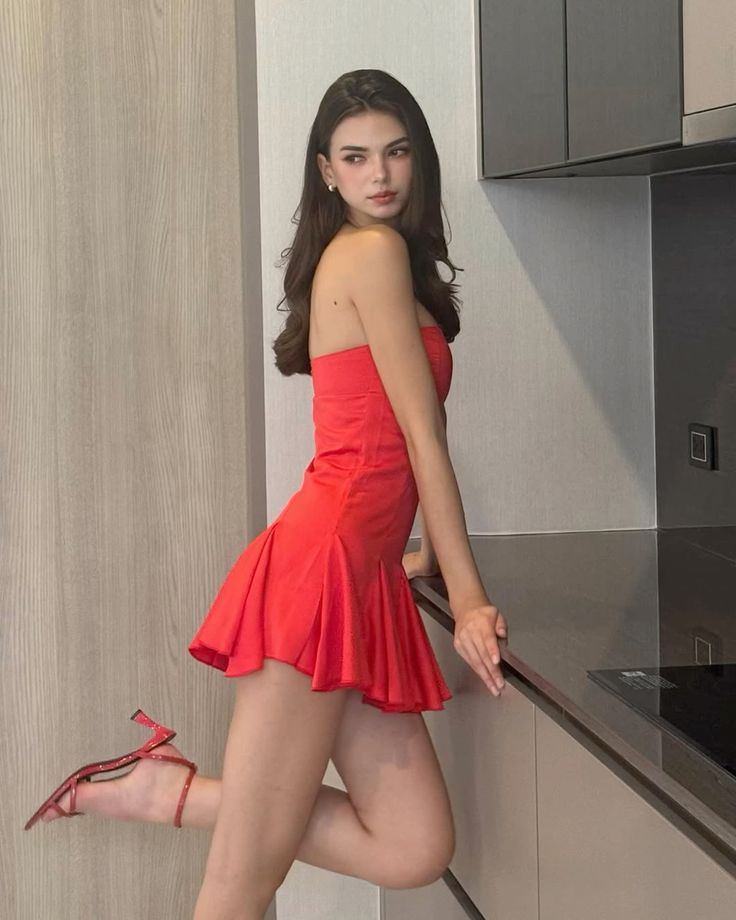






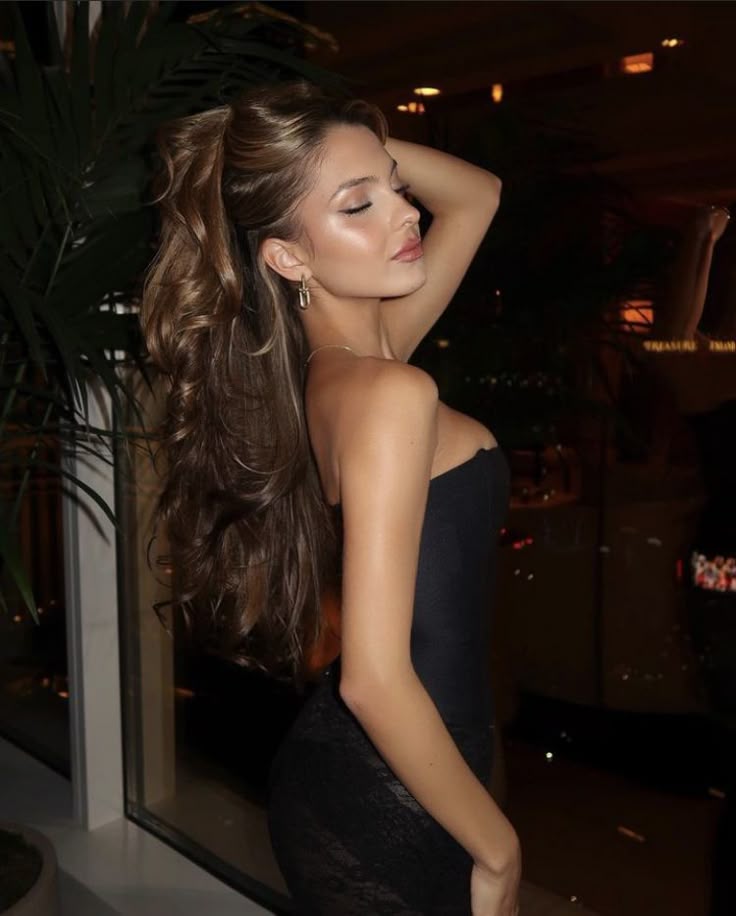



«Fashion passes, style remains,» these words belong to Coco Chanel. By choosing a specific clothing and makeup style, a woman can follow fashion changes as much as she wants, while still preserving her own style. Stylists distinguish the following main styles: classic, business, «Chanel,» romantic, sporty, avant-garde, folklore, fantasy, diffuse, and «Glamour» style. Each of these styles has its own characteristics.