She was thirty-two, a widow, with calm eyes and a tightly packed nylon bag under her arm. She wasn’t there because of luxury or status. Her only reason was her daughter, Deborah, who lay in a hospital bed with a heart condition. Naomi needed the income to keep her child alive. The housekeeper, exhausted from training caregivers who never stayed, handed her a uniform without ceremony. “Start in the playroom,” she said quietly. “You’ll see.” As soon as Naomi entered, she saw the devastation. Toys covered the floor, juice streaked the walls, and the triplets bounced on the sofa as if it were a trampoline. Daniel threw a toy truck at her. Diana crossed her arms and shouted, “We don’t like you!” David grinned and deliberately poured cereal onto the rug. Most people would have shouted, begged, or walked away. Naomi did none of those things. She adjusted her headscarf, picked up a mop, and began cleaning. The children froze. No yelling. No fear. Just calm. “Hey, you’re supposed to stop us!” Daniel yelled. Naomi glanced at him, completely composed. “Children don’t stop because they’re told to,” she said. “They stop when no one joins their game.” And she continued cleaning. From the balcony above, Ethan Carter watched closely. He had seen many women fail in that very room. But Naomi moved with quiet confidence, unshaken. And although the triplets weren’t finished testing her, neither was Naomi. The next morning, she rose before dawn. She swept the marble staircase, straightened the curtains, and prepared breakfast. As soon as she set the tray down, the triplets rushed in. “We want ice cream for breakfast!” Daniel shouted. Diana kicked the table leg and folded her arms. David spilled his milk on purpose. Anyone else would have panicked. Naomi didn’t. “Ice cream isn’t for breakfast,” she said calmly. “But if you eat, maybe we can make some together later.” She placed a plate in front of each child and turned away. Slowly, curiosity replaced rebellion. Daniel poked at the eggs. Diana rolled her eyes but began eating. Even David eventually sat down. By midday, the challenges returned. Paint on the walls. Toys dumped everywhere. Naomi’s shoes hidden in the garden. Each time, she responded the same way — cleaning, restoring order, never raising her voice. “You’re boring,” David complained. “The others yelled.” Naomi smiled faintly. “They wanted to defeat you. I didn’t come here to win. I came here to care for you.” The words left them silent. Ethan noticed the change too. She was thirty-two, a widow, with calm eyes and a tightly packed nylon bag under her arm. She wasn’t there because of luxury or status. Her only reason was her daughter, Deborah, who lay in a hospital bed with a heart condition. Naomi needed the income to keep her child alive. The housekeeper, exhausted from training caregivers who never stayed, handed her a uniform without ceremony. “Start in the playroom,” she said quietly. “You’ll see.” As soon as Naomi entered, she saw the devastation. Toys covered the floor, juice streaked the walls, and the triplets bounced on the sofa as if it were a trampoline. Daniel threw a toy truck at her. Diana crossed her arms and shouted, “We don’t like you!” David grinned and deliberately poured cereal onto the rug. Most people would have shouted, begged, or walked away. Naomi did none of those things. She adjusted her headscarf, picked up a mop, and began cleaning. The children froze. No yelling. No fear. Just calm. “Hey, you’re supposed to stop us!” Daniel yelled. Naomi glanced at him, completely composed. “Children don’t stop because they’re told to,” she said. “They stop when no one joins their game.” And she continued cleaning. From the balcony above, Ethan Carter watched closely. He had seen many women fail in that very room. But Naomi moved with quiet confidence, unshaken. And although the triplets weren’t finished testing her, neither was Naomi. The next morning, she rose before dawn. She swept the marble staircase, straightened the curtains, and prepared breakfast. As soon as she set the tray down, the triplets rushed in. “We want ice cream for breakfast!” Daniel shouted. Diana kicked the table leg and folded her arms. David spilled his milk on purpose. Anyone else would have panicked. Naomi didn’t. “Ice cream isn’t for breakfast,” she said calmly. “But if you eat, maybe we can make some together later.” She placed a plate in front of each child and turned away. Slowly, curiosity replaced rebellion. Daniel poked at the eggs. Diana rolled her eyes but began eating. Even David eventually sat down. By midday, the challenges returned. Paint on the walls. Toys dumped everywhere. Naomi’s shoes hidden in the garden. Each time, she responded the same way — cleaning, restoring order, never raising her voice. “You’re boring,” David complained. “The others yelled.” Naomi smiled faintly. “They wanted to defeat you. I didn’t come here to win. I came here to care for you.” The words left them silent. Ethan noticed the change too.

Fashion has always been more than just clothing—it is a reflection of culture, identity, and the shifting values of society. Since 1915, style has undergone dramatic transformations, influenced by world events, technological advancements, and changing social norms. Over the past century, fashion has evolved from structured formality to expressive individuality, telling a story of freedom, innovation, and constant reinvention.

In the early 20th century, around 1915, fashion was defined by structure and tradition. Women’s clothing often featured long skirts, high necklines, and fitted silhouettes, reflecting societal expectations of modesty and formality. Men’s fashion was equally structured, with tailored suits, hats, and polished shoes forming the standard wardrobe. Clothing was not just about appearance—it was a symbol of social status and discipline. However, this era was soon disrupted by global events that would reshape fashion in unexpected ways.

The 1920s marked one of the first major shifts. Following World War I, society experienced a sense of liberation, and fashion began to reflect that newfound freedom. Women embraced shorter hemlines, looser silhouettes, and more practical designs. The iconic “flapper” style symbolized independence and rebellion against traditional norms. This was a time when fashion started to move away from restriction and toward comfort and self-expression.

The following decades continued to bring change. The 1930s and 1940s were heavily influenced by economic hardship and World War II. Fabric shortages led to simpler designs and more practical clothing. Utility became a priority, and fashion adapted accordingly. Despite these limitations, creativity persisted, and designers found ways to maintain elegance within constraints. After the war, the late 1940s and 1950s introduced a return to glamour, with more structured and feminine silhouettes re-emerging, reflecting a desire for stability and optimism.

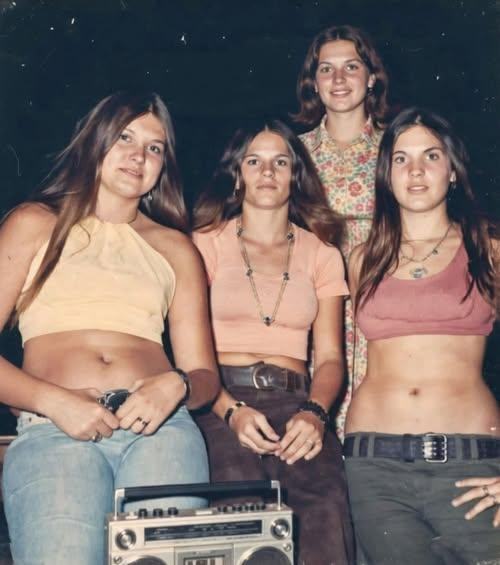
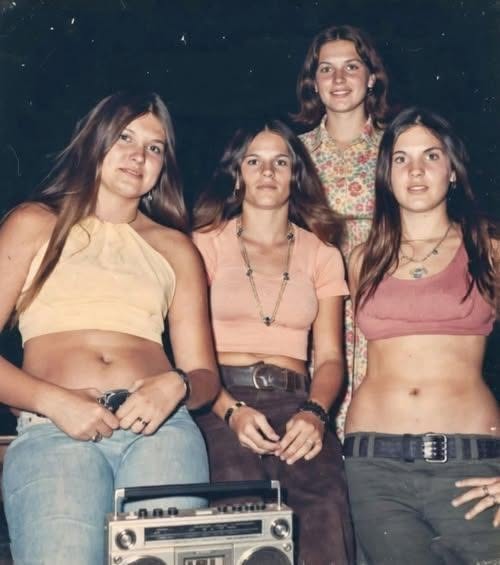
The 1960s and 1970s marked a turning point in fashion history. These decades were defined by cultural movements, youth influence, and bold experimentation. Bright colors, unconventional patterns, and diverse styles became more common. Fashion was no longer dictated solely by designers or elites—it became a form of personal and political expression. From the sleek mod styles of the 1960s to the free-spirited bohemian looks of the 1970s, individuality took center stage.

By the 1980s and 1990s, fashion had become even more diverse. The 1980s were characterized by bold statements—power suits, vibrant colors, and exaggerated silhouettes reflected confidence and ambition. In contrast, the 1990s introduced a more relaxed and minimalist approach. Casual wear, denim, and understated styles became increasingly popular, influenced by music, media, and youth culture.

Entering the 21st century, fashion has become more accessible and inclusive than ever before. The rise of the internet and social media has transformed how trends are created and shared. No longer limited to fashion capitals, style inspiration can come from anywhere in the world. Fast fashion has made clothing more affordable, while at the same time, there has been a growing awareness of sustainability and ethical production.

Today, fashion is defined by diversity and personal expression. There are no longer strict rules about what to wear—individuals are encouraged to explore styles that reflect their personality and values. Gender boundaries in fashion have become more fluid, and there is a greater appreciation for cultural influences from around the globe. Vintage styles are often reimagined, blending past and present into something entirely new.

Looking back at the journey from 1915 to today, it is clear that fashion is constantly evolving. Each era leaves its mark, shaping the next in unexpected ways. What once symbolized tradition has transformed into a platform for creativity and identity. The evolution of style is not just about clothing—it is a reflection of how society changes, adapts, and redefines itself over time.

Ultimately, fashion’s transformation over the past century tells a powerful story: one of progress, expression, and the enduring human desire to create and reinvent.